Graphic Resources
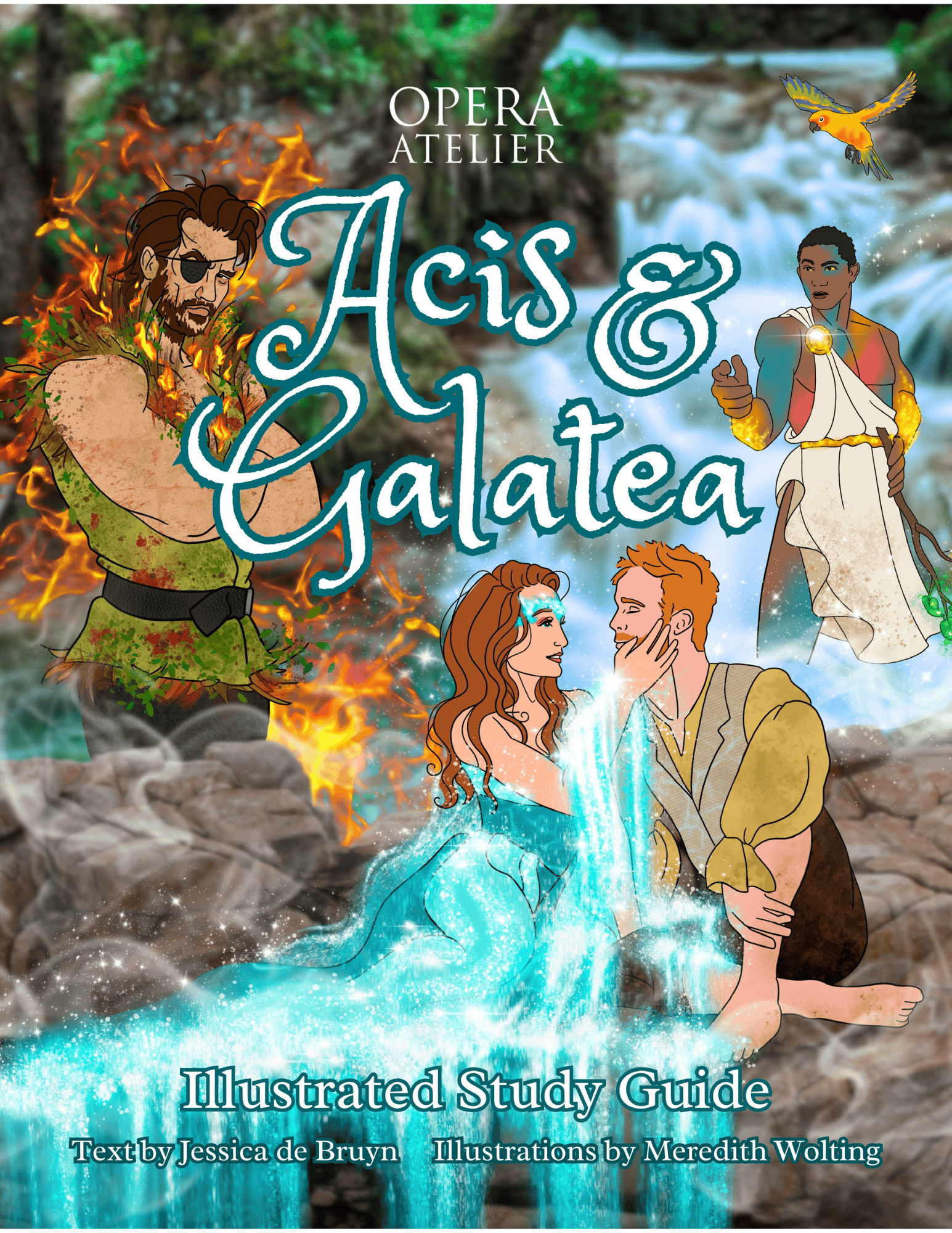
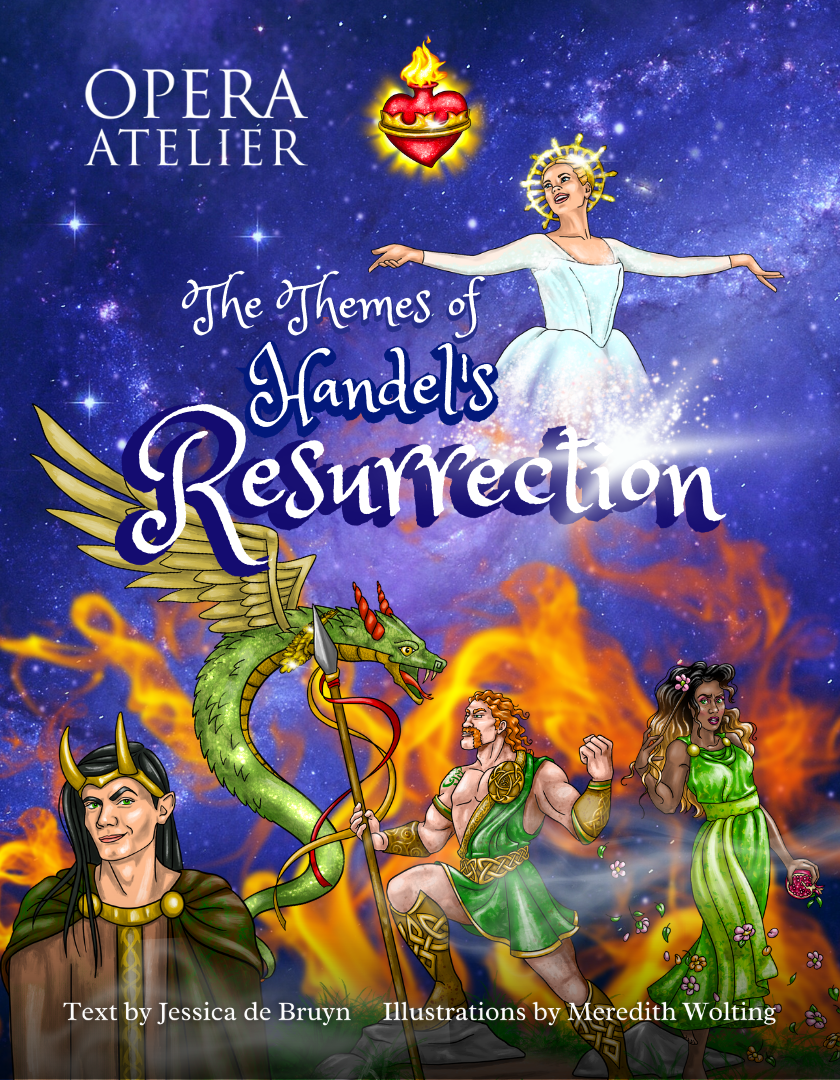
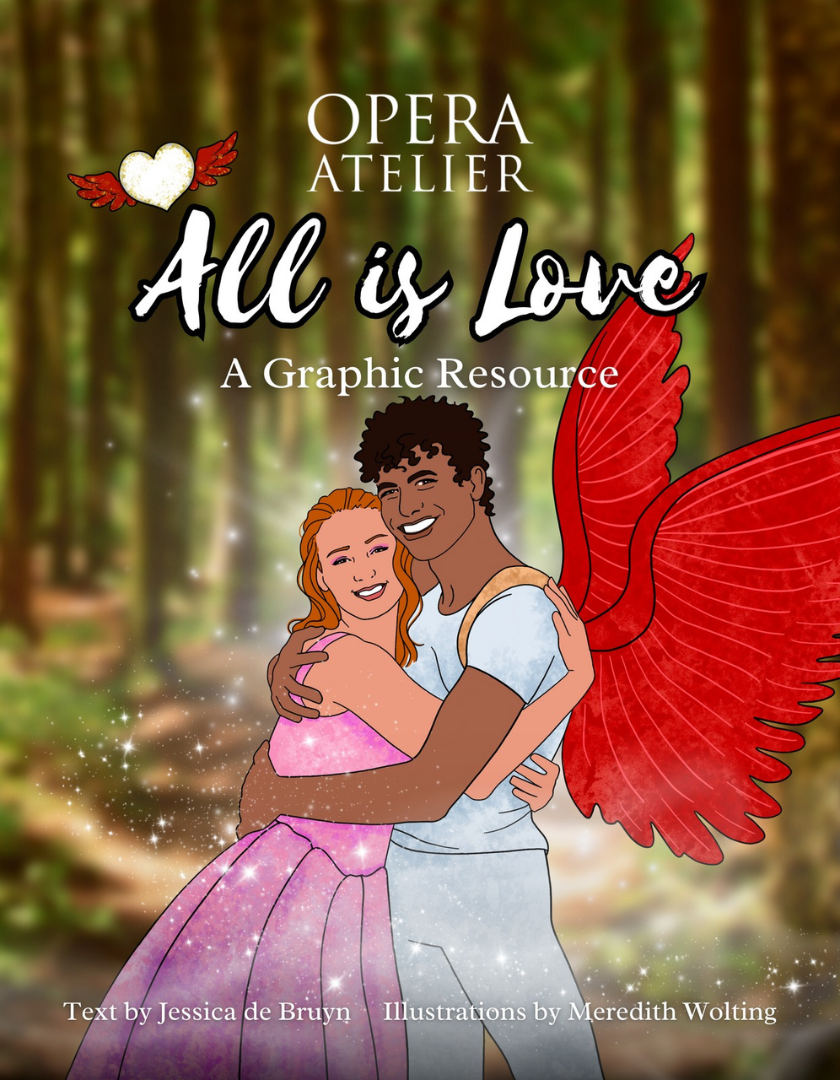
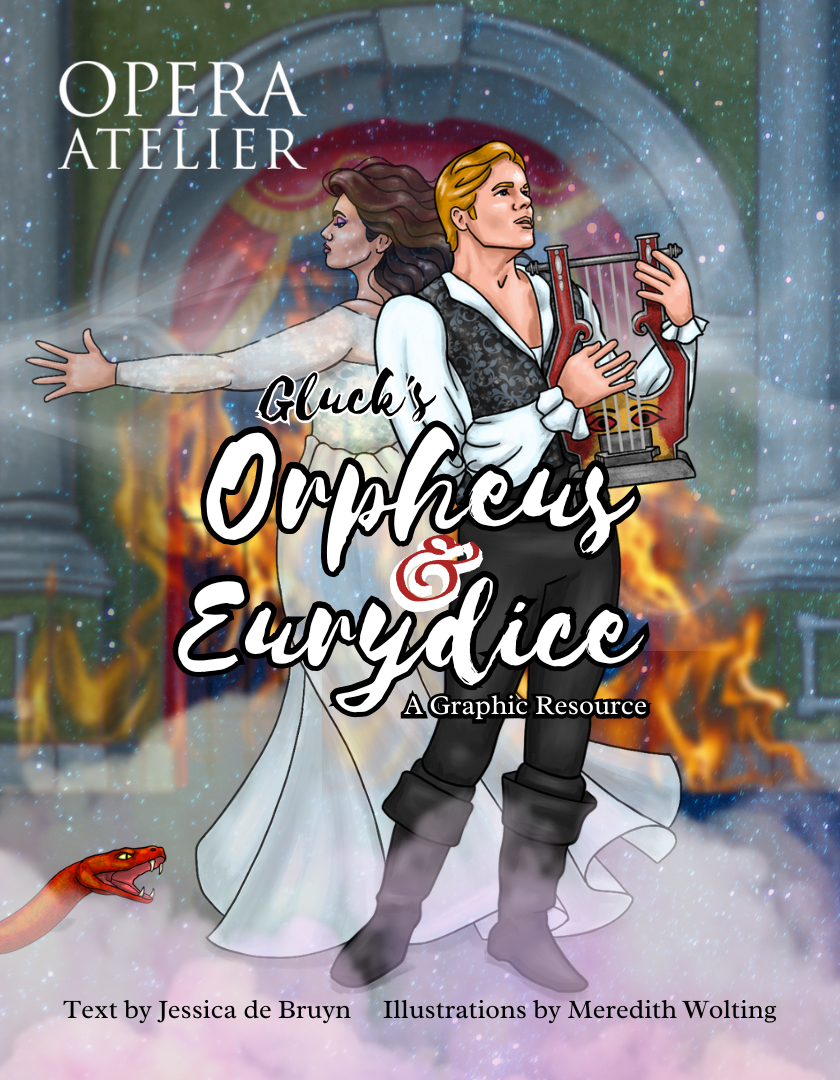
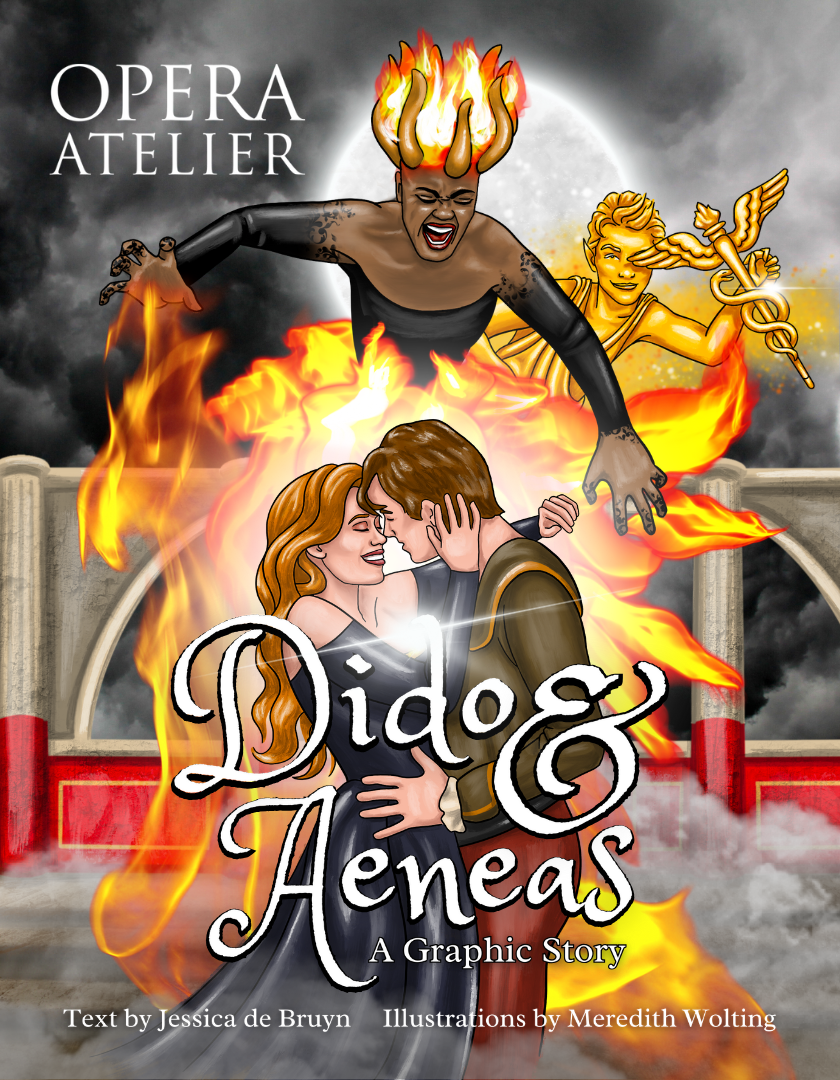
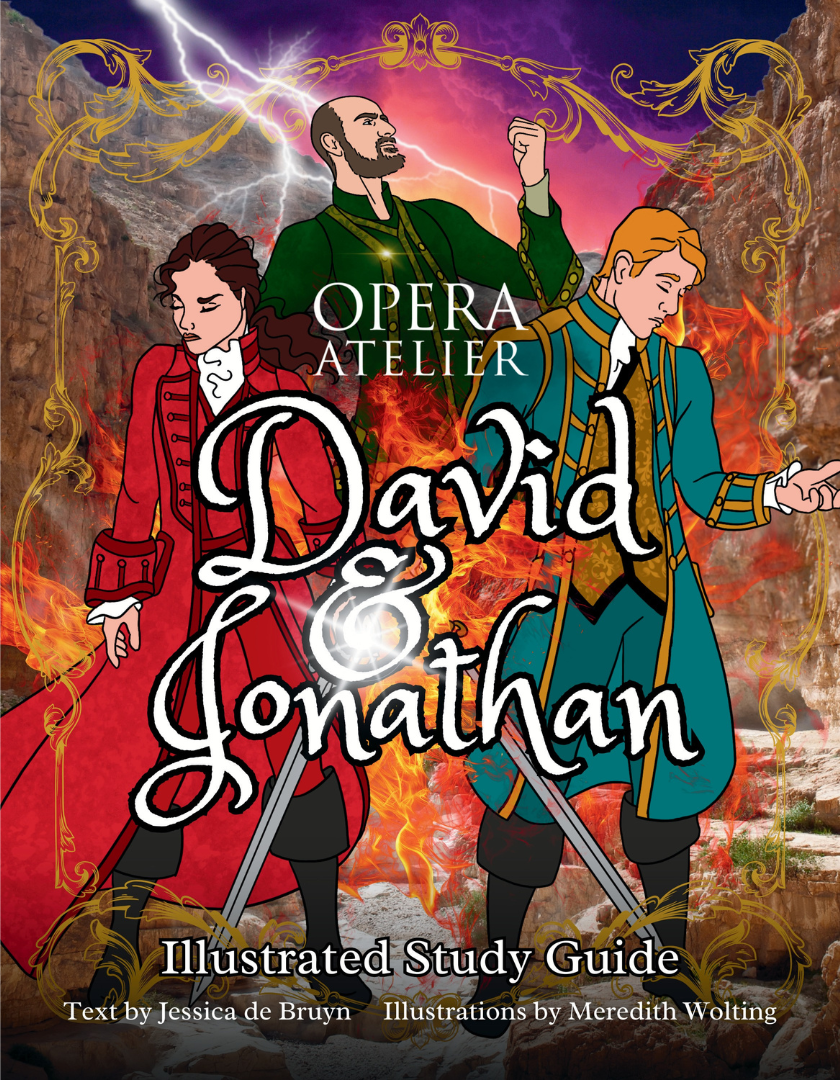
Since 2022, Opera Atelier has commissioned Illustrated Study Guides to help bring opera to present day and to engage with younger audiences. Written by Jessica de Bruyn and illustrated by Meredith Wolting, these comic-style books offer a synopsis of the plot of our most recent productions, as well as the historical context about the composer and the original story or production.
Fall 2025
The Magic Flute
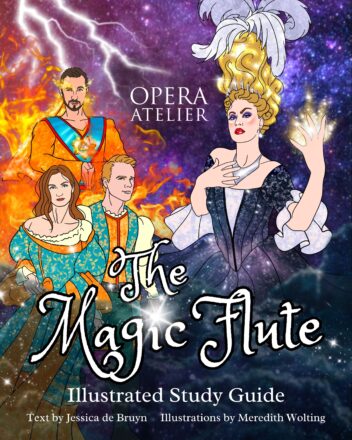
Now you can find all sorts of additional information, context, and fun facts to enhance your learning,
right here on the website!

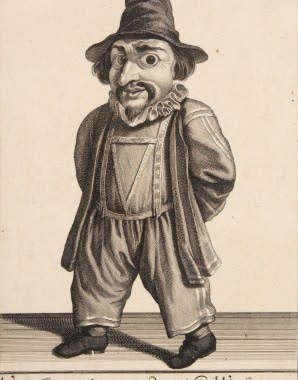
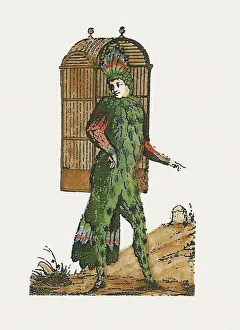
Papageno is an example of a Hanswurst, a German stock character of a buffoon often seen in Viennese farces of the time. The name literally translates to “Johnny Sausage”.
This fun and light-hearted aria perfectly captures Papageno’s comedic, earthy, and simple personality (very Hanswurst-like)
Class Discussion Question: Why do you think audiences in Mozart’s time loved characters like Papageno or Hanswurst? What role do you think humor played in operas or plays during that period?
(Analyze/Reflect on the contrast between high and low class, drama and comedy, and how comic relief functions in dramatic performance)
Individual Reflection Question: Papageno dreams of a simple life full of food, drink, and love. What do you think that says about his character and why might that make him relatable to audiences even today?
Mozart uses many light-sounding instruments to highlight the magic, including the flute, bells, strings, and percussion. He uses quick and crisp melodies to bring a feeling of whimsy and signify shimmering or twinkling light.
An Orchaestra Instrument Guide (notice where the ‘light’ instruments like Flutes, Violins, Triangle & Glockenspiel are located in the space)
Can you hear these instruments in Papagena and Papageno’s duet?
Class Discussion Question: How do different instruments make us feel different emotions? What instruments would you choose to create a magical or otherworldly mood in music?
Individual Reflection Question: Think of a moment when music made you feel like you were in a magical place, maybe in a movie, a game, or a concert. What made it feel magical, and can you connect that feeling to what Mozart was doing in The Magic Flute?
The Magic Flute was written during the Age of Enlightenment, when many great thinkers were studying big concepts like reason and truth. The general population was becoming more educated and gaining in power.
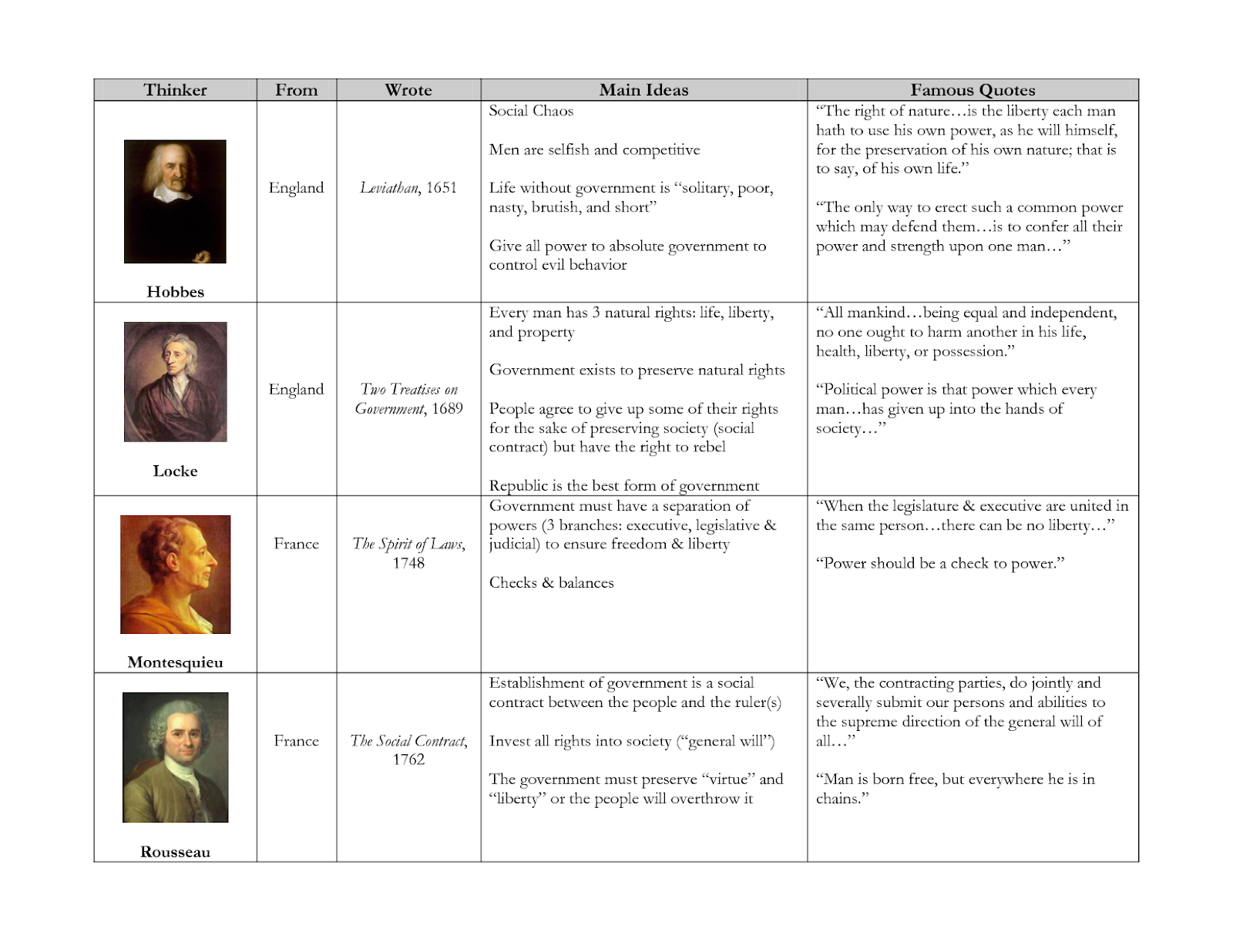

Get enlightened about the Enlightenment
Class Discussion Question: How do you think Enlightenment ideas like truth, knowledge, and reason could show up in an opera with magical creatures, fairy-tale settings, and trials of character?
Individual Reflection Question: If you lived during the Enlightenment, what big idea like truth, equality, freedom, or knowledge would be most important to you, and why?
It was extremely common for opera to be based on myths and fairytale stories. The first recorded opera was Jacopo Peri’s Dafne, first performed in Italy around 1598. It was based on the Greek myth of the nymph Daphne and the sun god Apollo from Ovid’s Metamorphoses.
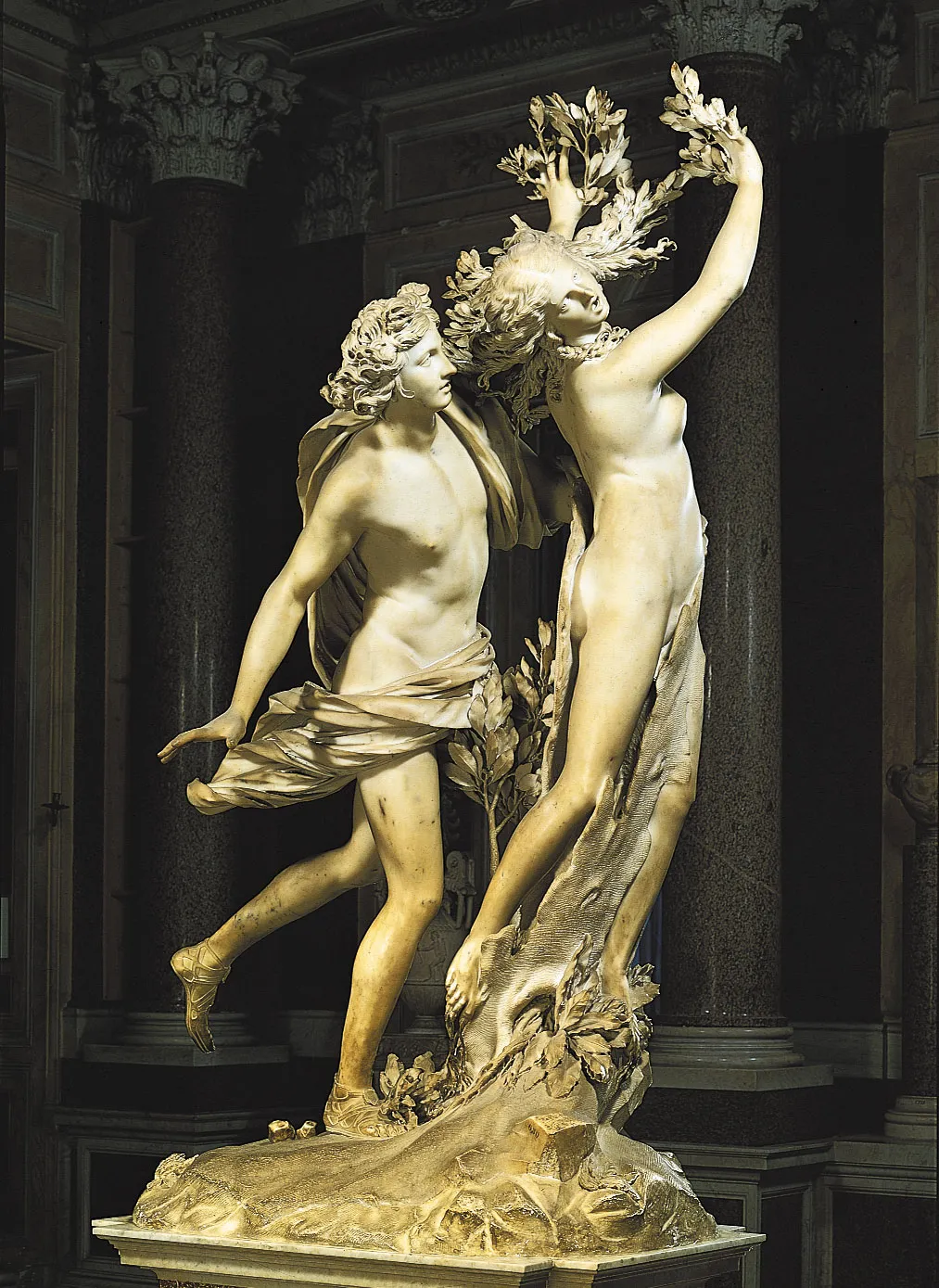
Sculpture: Apollo and Daphne by Gian Lorenzo Bernini
Class Discussion Question: Why do you think myths and fairy tales were such popular sources for operas? What makes them good stories to set to music?
Individual Reflection Question: If you could turn any myth or fairy tale into an opera, which would you choose and why? What kind of music or instruments would match the story?
In Egyptian myth, Osiris was the god of fertility, light, and the Dead. Isis was the goddess of magic, protection, and motherhood. They have their own epic love story!
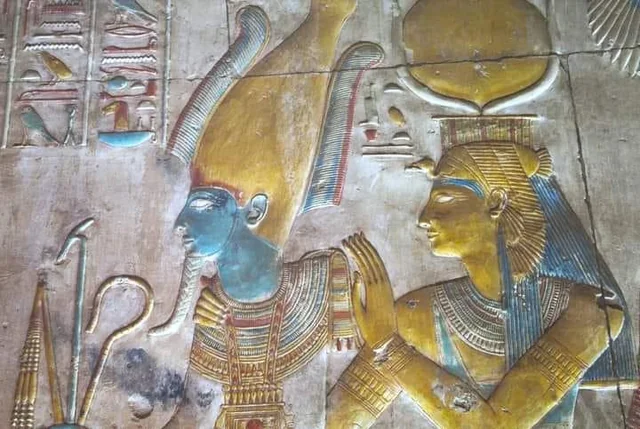
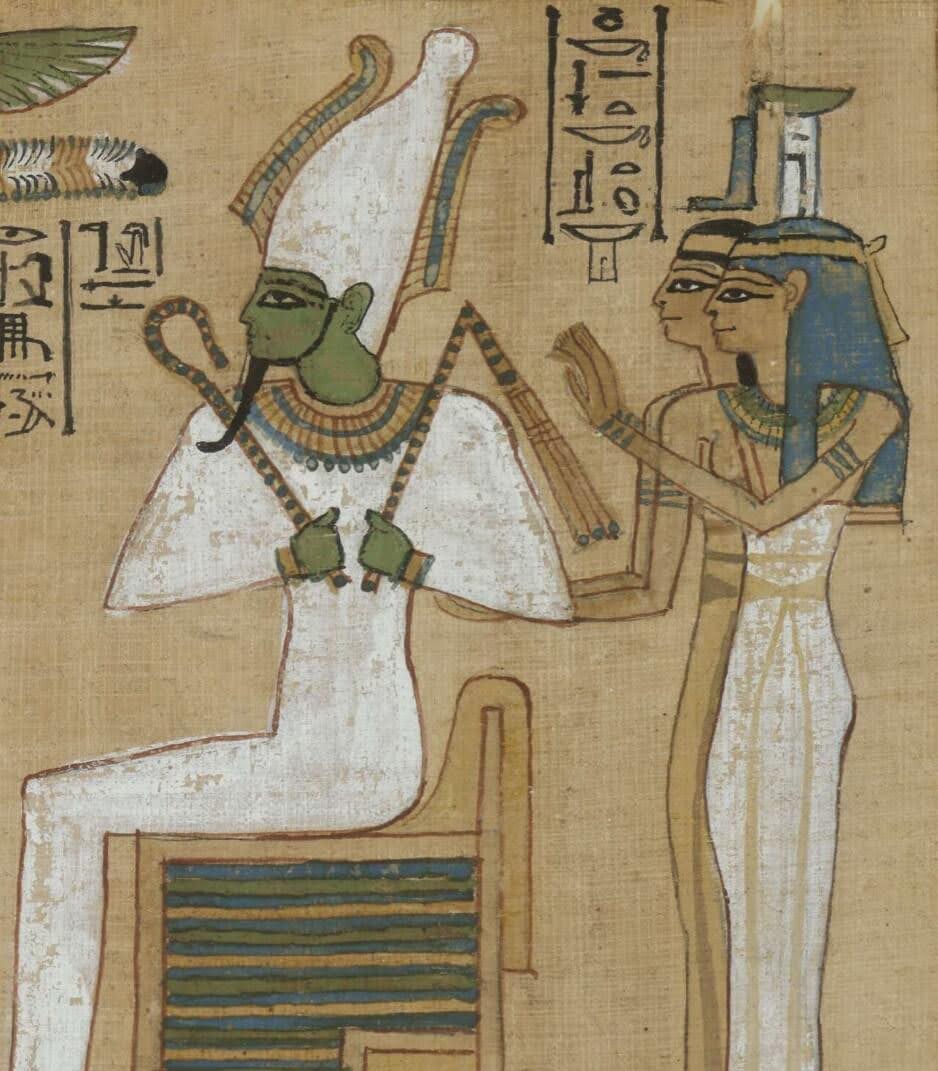
Class Discussion Question: Why do you think Mozart and his librettist might have included references to Egyptian gods in The Magic Flute? What do Osiris and Isis symbolize, and how could that relate to the themes of the opera?
(A discussion about light and darkness, death and rebirth, wisdom, and the divine feminine. All relevant to the opera’s plot and imagery.)
Individual Reflection Question: The story of Osiris and Isis is about love, loss, and magical protection. Can you think of a modern story (movie, book, or game) that explores similar themes? How are ancient and modern stories alike or different?
Although he conducted and played in the original orchestra, unfortunately Mozart did not live to see The Magic Flute’s amazing success. The first production played 100 performances and it has been performed throughout the world since. The first fully-staged production adhering to period practices in North America was by Opera Atelier in 1991.
Schikaneder in costume as Papageno
Class Discussion Question: How does improvising make a performance feel different for the audience? Can you think of other types of performance where artists make things up in the moment?
Individual Reflection Question: Have you ever had to ‘improvise’ in music, drama, sports, or even a conversation? How did it feel, and what did you learn from it?
Collection of Past Editions
These resources are also interspersed with QR codes that link to additional resources and include a page of discussion points on the back cover.